
Completed project
Shiftplastics
-
Client
Research Council of NorwayLed by
Westland ResearchTime period
01.10.2021 - 01.06.2025 -
Megan Palmer-Abbs
RESEARCHER II
Nordland Research InstituteArild Gjertsen
RESEARCHER II
Nordland Research InstituteJens Ording Hansen
RESEARCHER II
Nordland Research InstituteStian Bragtvedt
RESEARCHER II
Nordland Research InstituteUnn Haukenes Holgersen
RESEARCHER III
Nordland Research Institute -
NTNU
Selstad AS
Aalborg University
Nofir
Iris production
Oceanize
Salmon Group
Environmental Agency
Directorate of Fisheries
Container service Ottersøy
SINTEF Helgeland
SINTEF Ocean
Scandi Energy
The State Administrator of Nordland
Bodø Port KF
Bodo Municipality
Løvold AS
Hallingplast AS
Western Norway University of Applied Sciences
Nordland County Fishermen's Association
North Highland College, Environmental Research Institute
In the Shift-Plastics project, we will look at the handling of plastics within fisheries and aquaculture.
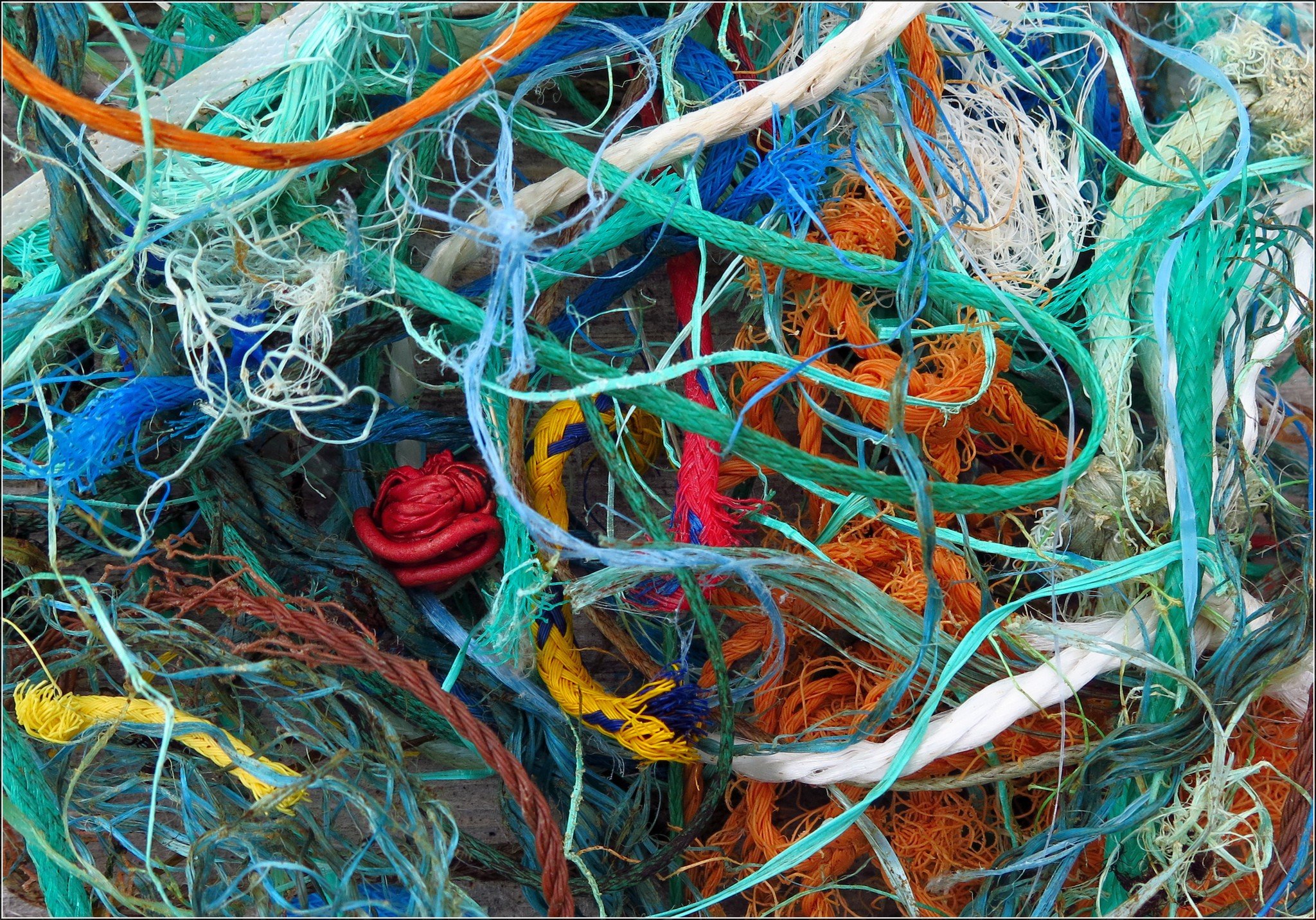
Globally, the fishing and aquaculture sector emits a large amount of waste, including plastic. Studies show that in Norway, plastic waste from the fishing and aquaculture sector accounts for the majority of plastic waste in the ocean. Plastic pollution in the ocean has serious consequences for nature and the environment, especially because the plastic is broken down into micro- and nanoplastics that fish and animals ingest. The project will look at the most complex challenges in waste management, such as how to handle products that combine different materials - for example, ropes with a steel core and copper-impregnated nets.
Seven research institutions are involved in Shift-Plastics. They have expertise in technology, policy and circular value chains. In addition, 20 stakeholders from equipment manufacturers, industry, the recycling industry, public enterprises and interest groups.
The researchers will look at how technologically one can solve challenges related to “problematic” plastic equipment. For example, it is about better and more optimal ways to recycle and about using new materials, such as bioplastics. The researchers will also delve into how policies and instruments can change material use, increase the lifespan of products and ensure reuse and recycling. Finding solutions and new ways of doing things requires close cooperation between researchers, governments, interest organizations and industry.
Through collaboration, the project will find solutions and products that can reduce environmental impact, while also being economically viable.
Reports