
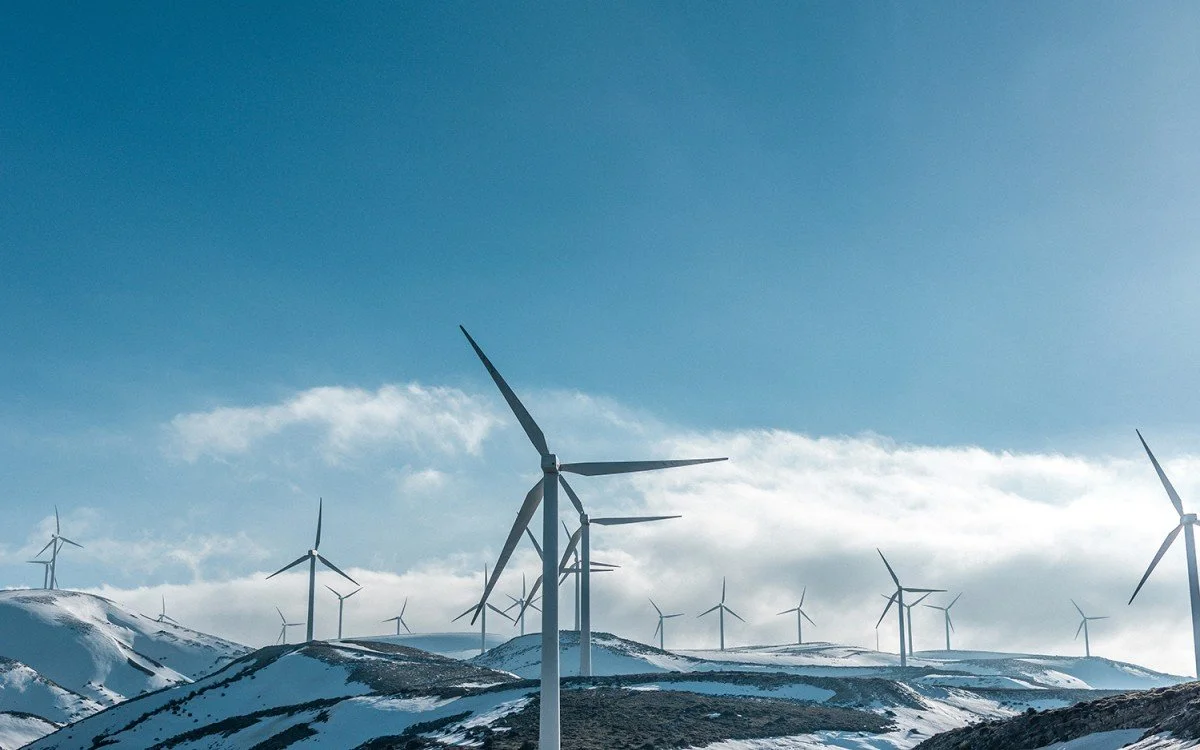
Lofoten needs more electrical power, but are windmills the solution: Photo: Jason Blackeye / Unsplash
Lofoten is to cut emissions by 50 percent by 2030. “Meeting these goals may require unpopular choices,” says Nordlandsforskning’s Brigt Dale. But not everyone is ready for wind turbines in what is called the world’s most beautiful archipelago.
The "Green Islands" project, which consists of the Lofoten Council, Destination Lofoten and Lofotkraft, has decided that Lofoten will transition to a low-emission society, with a 50 percent emission reduction by 2030. This means that fossil energy must be replaced by renewable energy. And it must happen quickly.
Is the goal actually possible to achieve?
– As of today, Lofoten is completely dependent on electricity produced elsewhere, we have very low self-sufficiency. The transmission capacity that Statkraft has built is so low that several industrial projects have already turned their attention elsewhere, says Dale, who is based at Nordlandsforskning's Svolvær office and heads the research group "Transformation and green transition".
He will also be on the panel on December 6th when Lytring discusses Lofoten's energy future in the Lofotsalen Hall at Thon Hotel Svolvær. The debate can also be followed digitally on lytring
Renewable energy or untouched nature?
Dale states that either transmission capacity must be increased significantly or the region must produce more electricity itself.
– We have little opportunity for more hydropower, so we are left with solar and wind, if electricity is to be produced locally. Both require areas that can conflict with agriculture, fisheries and tourism, says the research leader.
– To meet the ambitious goals, politicians may have to make some unpopular choices, which many in Lofoten will disagree with. The question is how to ensure political legitimacy for any interventions.
Because who would vote for a party that wants to fill Lofoten with windmills?
– Lofoten illustrates the national paradoxes well. We want more renewable energy to solve climate challenges, but we cannot unbridledly destroy nature to achieve our goals, says Dale.
Critical of the Lofoten municipalities
Martin Eggen is an advisor at BirdLife Norway and does not think wind power in Lofoten is a good idea.
“There are no places in Lofoten that are suitable for windmills. Both marshes, wetlands and other flat areas are important habitats for birds and animals that are highly endangered,” says Eggen.
– I have worked with wind power for over 20 years. There is no doubt that the turbines negatively affect bird life.
Eggen points out that the green shift is also about stopping the loss of nature, not least from a climate perspective.
– I am critical of the fact that the municipalities in Lofoten do not have a resolution to protect carbon-rich nature and wetlands, and that they are not working purposefully with area neutrality, he says.
Both Martin Eggen and Brigt Dale are on the panel when Lytring asks: How electric can Lofoten really become? They will be joined by power analyst at the online newspaper EnergiWatch.no Anders Lie Brenna, mayor of Vågan Vidar Thom Benjaminsen and Laura Johanne Olsen from Lofoten – The Green Islands 2030. The debate will be led by Jan Eivind Fredly, editor of Lofotposten.
