
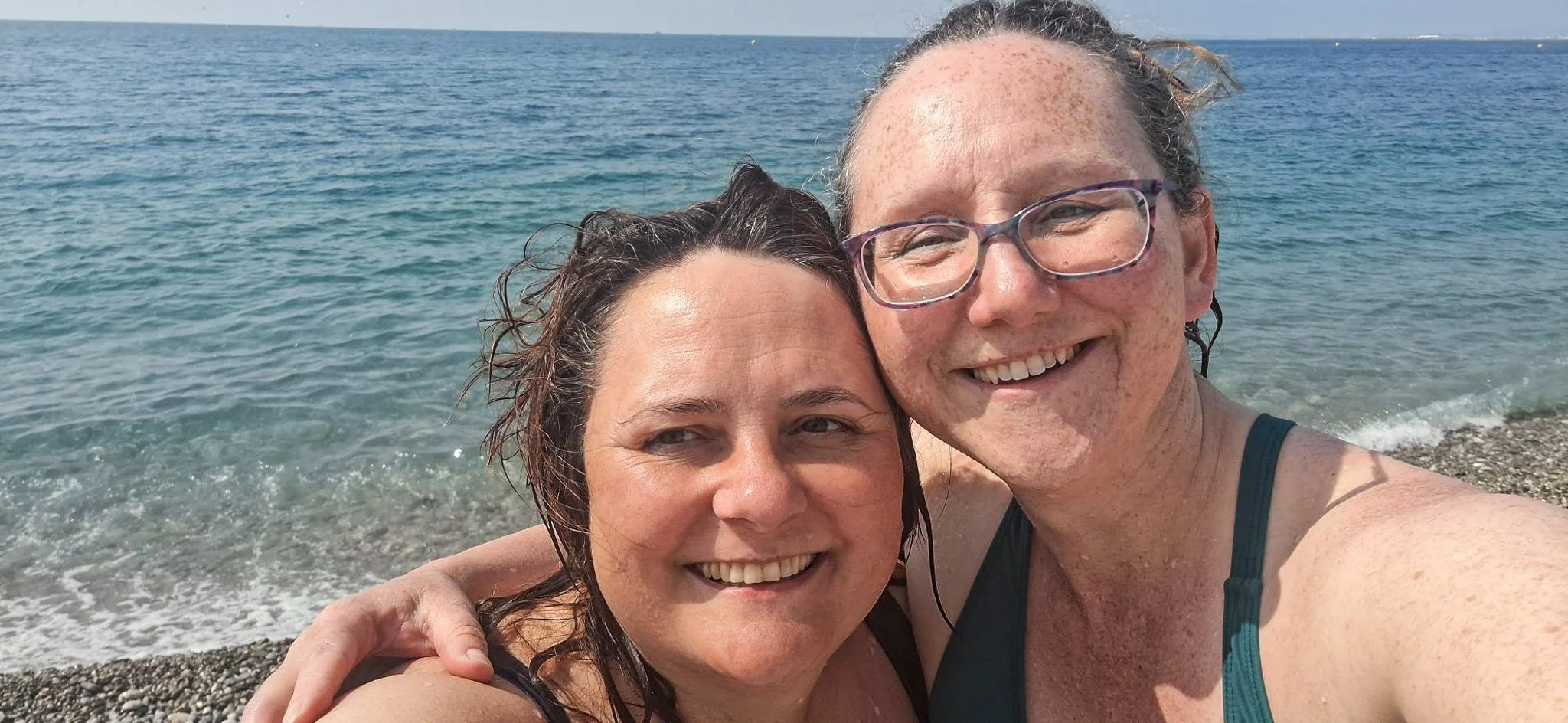
Ocean understanding. Maiken Bjørkan and Liz Morris-Webb at Nordland Research Institute , will talk about the Norwegian people's relationship with the ocean on a webinar on April 16. It will be held under the auspices of the National Committee for the Decade of Marine Research and the Research Council of Norway.
Why do some of us feel gratitude when we think of the ocean, while others primarily associate it with worry or distance?
These are among the questions Maiken Bjørkan and Liz Morris-Webb will discuss when they participate in a webinar organized by the National Committee for the Decade of Marine Research and the Research Council later in April.
In 2025, carried out Nordland Research Institute Norway's first survey on society's relationship with the ocean.
Among other things, it emerged that 42 percent of Norwegians feel gratitude when they think about the ocean.
Increased topicality
– To ensure a sustainable future for the ocean, we must strengthen people's knowledge about how the ocean affects us and how we affect the ocean. It's about more than knowledge, it's about connection and responsibility, Morris-Webb has previously stated .
To help decision-makers make good choices for the ocean, Morris-Webb and colleagues at Nordland Research Institute created a knowledge note , which shows, among other things, that 72 percent of Norwegians are willing to change their lifestyle to protect the ocean.
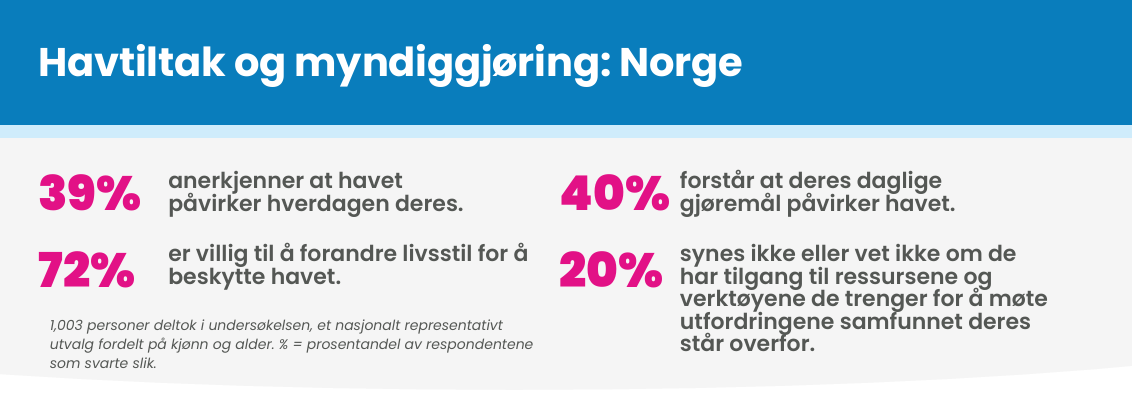
The policy note, or knowledge note about people's relationship with the ocean, is a result of the historical research conducted by Nordland Research Institute completed in 2025. The full note can be found here.
The research and work on ocean understanding has become more relevant after the National Committee for the Decade of Ocean Research has highlighted people's relationship with the ocean as a separate priority for the second half of the Decade of Ocean Research.
The committee's mid-term report highlights the need for stronger interaction between research, policy and society. They also point to the need for more research on ocean understanding and closer collaboration between research communities, art and cultural actors and professional communicators.
Presenting findings at the webinar
At the webinar, Bjørkan and Morris-Webb will present the post "What Norwegians think and feel about the ocean – and what it means for participatory research and communication." There they will share more about the findings from their research.
The webinar also brings together several other projects and initiatives related to ocean understanding in Norway. Topics include ocean identity, exhibitions, film and communication.
Marte Torkildsen presents how Havplaneten is used to strengthen children's and young people's understanding of the ocean and life below the surface. Siri Granum Carson shows how the short film "Æ for eider" can create engagement and reflection about the ocean, while Dag Hjermann presents new knowledge about how much coastal nature we have lost in the last 20 years and what it means for biodiversity and coastal communities.
The event will take place on April 16, and more information and registration can be found at the Research Council of Norway .