
Women: Take control of your finances before it's too late
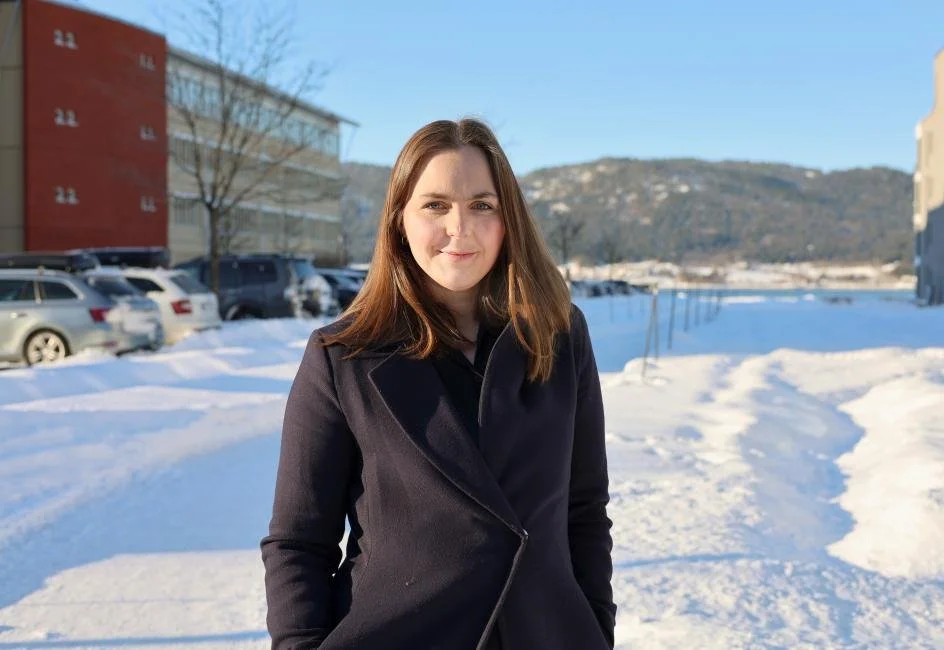
Gender equality, but what about the economy? Lytring invites you to a debate about women's relationship with the economy. The panel includes Malin M. Mathisen, economic advisor at DNB. Photo: Lene Loe
Who really has control over the finances when the man owns the home and the woman takes unpaid leave while waiting for a daycare place?
By: Lene Loe / Nord University
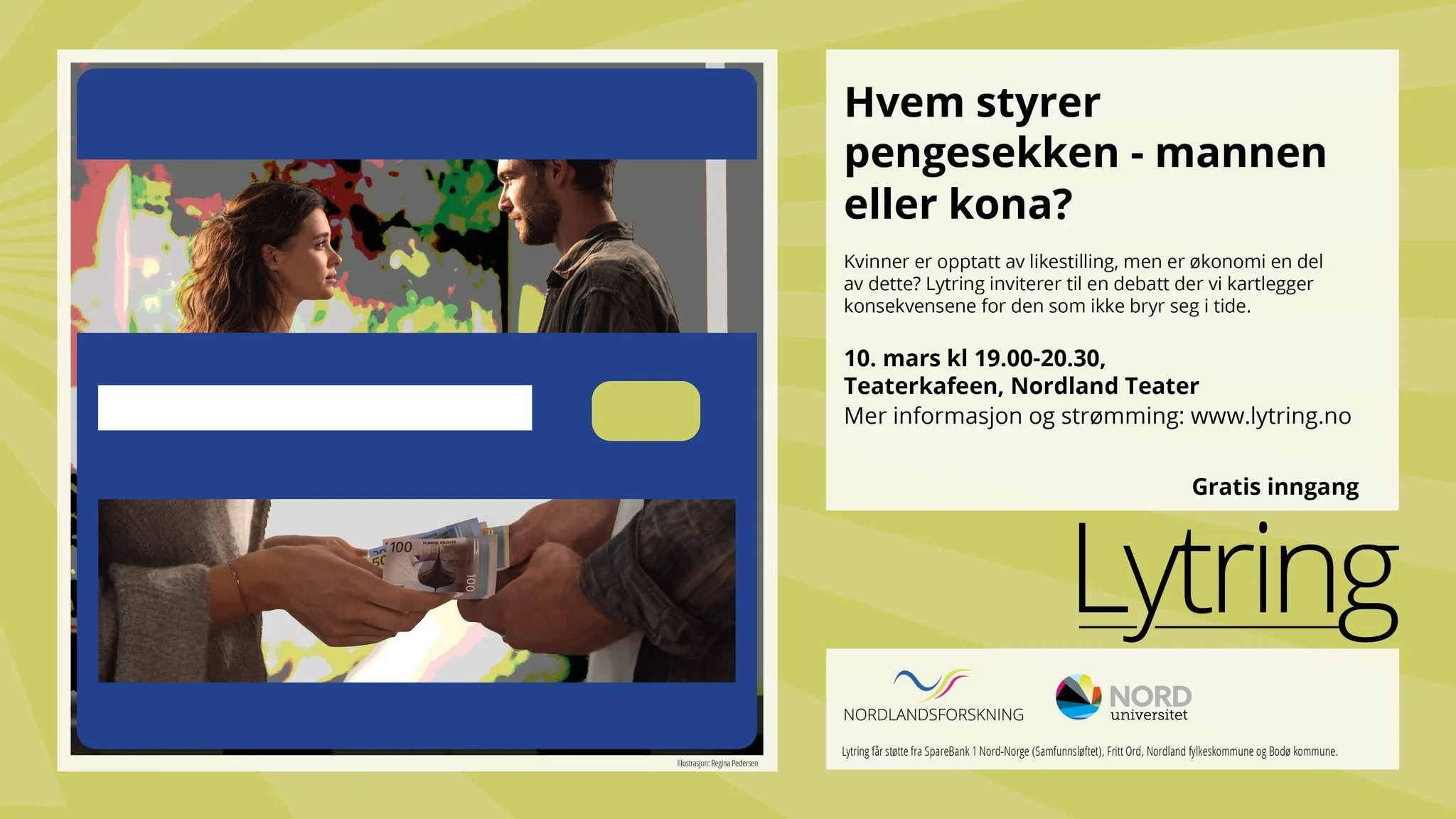
This is the backdrop when Lytring invites you to the debate "Who controls the money bag - the man or the woman?" - a conversation about perhaps the most underrated dimension of equality: money, ownership and power.
– It can be easy to think that you have equality at home. But when bills need to be paid, investments are made or a home is to be sold, you often see who actually has control, says Malin M. Mathisen, financial advisor at DNB.
A warning to the woman
Figures from Statistics Norway show that men in Norway earn on average around 13 percent more than women. Men also own a greater proportion of shares and commercial property, and more often enter relationships with higher savings.
– Many couples have a joint savings account, but often the man is the account owner. In practice, the money the woman has contributed can disappear with the click of a button if her access is removed, says Mathisen.
Men own more – and women bear the cost
She points to a typical scenario: A man who already owns a home meets a woman who is moving in. Instead of buying in, she uses her own funds to renovate. When the couple has children, she takes unpaid leave and perhaps takes a job down to make the family logistics easier.
" When the couple has children, she takes unpaid leave and may take a job down to make the family logistics easier. "
“Renovation does not automatically give ownership. Unpaid leave and reduced position affect both pension and future financial independence. Small choices can have big consequences,” she says.
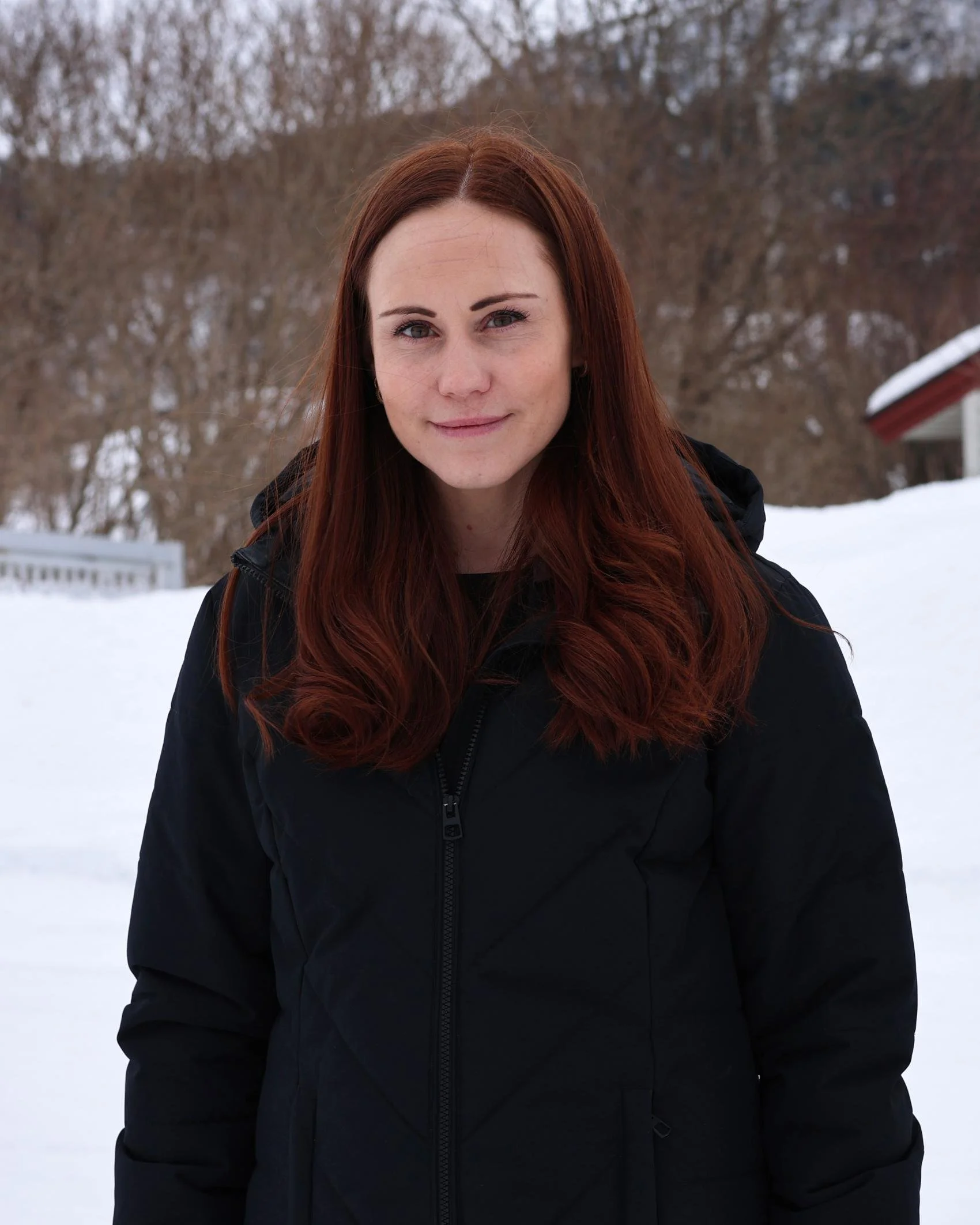
Meeting women exposed to financial abuse: Camilla Juvik, manager at the Crisis Center in Rana, says that many women cannot afford to leave their partners. Photo: Lene Loe
When control becomes violent
At the Crisis Center in Rana, manager Camilla Juvik sees how financial control is often part of a larger pattern, along with psychological and physical violence.
– We meet women who are not only fleeing violence and threats, but also from debts they did not choose. The woman has paid for food, clothing and the children's leisure activities, but when the breakup comes, they discover that the money they have invested does not give them rights, says Juvik.
" The woman has paid for food, clothing and the children's leisure activities, but when the breakup comes, they discover that the money they have put in does not give them rights. "
She points to what is often referred to as economic violence – a form of power exercise where one party controls accounts, debts and assets.
– Several women do not know what their family owns or owes. For those living with violence in close relationships, lack of financial control can be an obstacle to breaking out. Then it is not just about who controls the money, but about who actually has the opportunity to take the children and leave, she says.
Many may think that this only affects low-income families, but Juvik states that violence in intimate relationships exists everywhere – even among wealthy women. Economic abuse of power reflects the entire society, regardless of status or income.
Economic vulnerability
Mathisen, financial advisor at DNB, encourages women to take ownership of their own finances.
She also reminds us of the vulnerability that many people do not take into account. Around one in ten Norwegians between the ages of 18 and 67 receive disability benefits. For those who already lack an overview, even small changes in costs can be challenging to handle alone.
– When you also have to support children, the challenges often become much greater, says Mathisen.
Few have a cohabitation contract
Simple steps, such as creating a cohabitation contract or ensuring real co-ownership of a home, can be crucial if life takes a different direction than planned. Yet, few cohabiting couples enter into legally binding agreements.
In addition to Mathisen and Juvik, researchers Marit Breivik-Meyer at Nord University and Ellen K. Nyhus at the University of Agder will participate. Together, the panel will shed light on the connection between economics, gender, power and risk – and what happens to those who “don’t care in time.”