

Better processes. Much conflict can be avoided if municipalities succeed in better processes in connection with school closures Photo:iStock
The way school closures are implemented can do more harm than the closure itself.
A new report from Telemarksforsking and Nordland Research Institute shows that poor processes can create deep conflicts in local communities, with sometimes major personal consequences for those in the middle of them.
– We have interviewed people who, more than five years later, are still strongly emotionally affected by the case, says project manager Hanna Nyborg Storm at Telemarksforsking.
At the same time, the researchers point out something that breaks with many of the assumptions in the debate:
The closure itself is not necessarily what does the most damage.
Students are doing better than feared
The report shows that the consequences of school closures are often less dramatic for students than many fear.
– It is difficult to see that school closures lead to lasting changes in students' performance and learning outcomes. The most vulnerable phase is the transition itself, and how demanding it becomes depends largely on how the process is carried out, says Lea Louise Videt, researcher at Nordland Research Institute .
This does not mean that the changes are unproblematic. Social relationships and well-being can be affected, especially in the short term. Long travel distances and long school days can also be a burden for some students.
But the picture is more nuanced than is often portrayed.
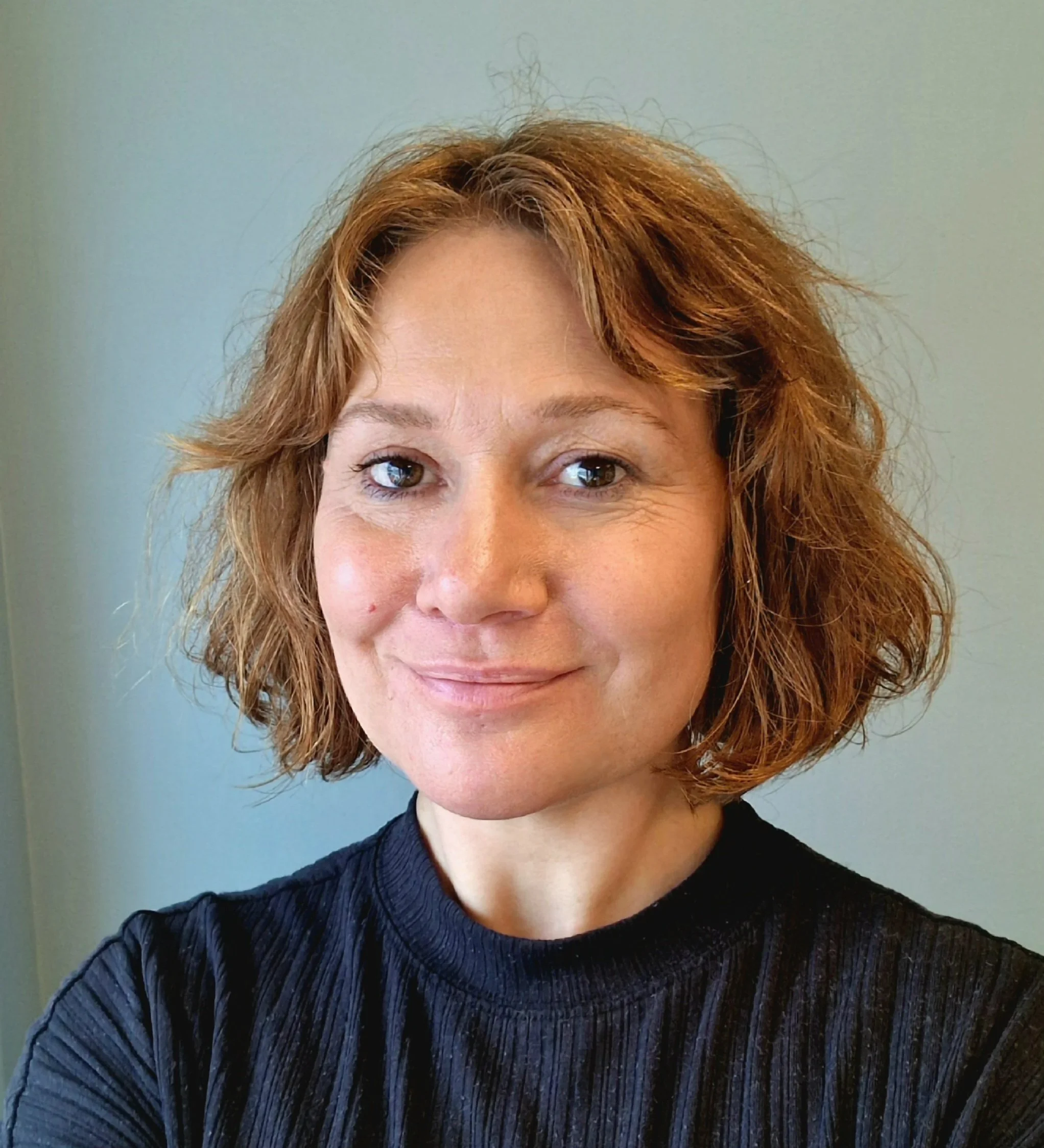
Lea Videt, researcher:
“More holistic processes will help reduce the level of conflict and shift the focus to how this can be development, and not pure cuts”
School is more than school
An important explanation for why the reactions to school structural changes are so strong lies in the actual importance of the school to the local community, the researchers believe.
“The school is an important meeting place, a carrier of identity and a focal point in the local community. When it disappears, you lose more than an educational opportunity,” says Storm.
This means that the conflicts become more than a discussion about finances and quality. They are about belonging, faith in the future, and what kind of local community one wants to be a part of.
That is why conflicts arise
The analyses the researchers have conducted show that the way school closures are often implemented today is a main reason why the conflicts are so large.
The researchers describe the processes as a form of "democratic stress test", where questions of economics, local democracy, identity and faith in the future collide.
The processes are often perceived as too narrow and one-sided, too late and not very inclusive, while changes in the school structure are perceived as both invasive and irreversible.
When decisions appear to be final and the discussion is reduced to economics, trust weakens and the level of conflict increases.
In several cases, this leads to intense mobilization that often causes the case to be postponed over time. The result is long and deadlocked processes, in which both citizens, administration and politicians end up in demanding roles.
– When trust weakens, processes drag on, and decisions are only made when there are no other alternatives. This contributes to high levels of conflict, says Ragnhild Holmen Waldahl, researcher at Nordland Research Institute .
Can significantly reduce conflicts
At the same time, research shows that the level of conflict can be significantly reduced.
The key lies in how the processes are organized.
When municipalities involve early and see school structure in a larger context, the processes are perceived as better.
In such cases, school closures are not seen as an isolated cut, but as one of several instruments in the development of the municipality.
– Therefore, one of our recommendations is that these processes be included in the social plan in the municipalities, and become the subject of broader planning of what kind of municipality and society one wants, says Storm.
Such an approach can contribute to a common understanding of future challenges and opportunities, even if disagreements about specific solutions persist, the researchers believe.
– More holistic processes will help reduce the level of conflict and shift the focus to how this can be development, and not pure cuts, says Videt.
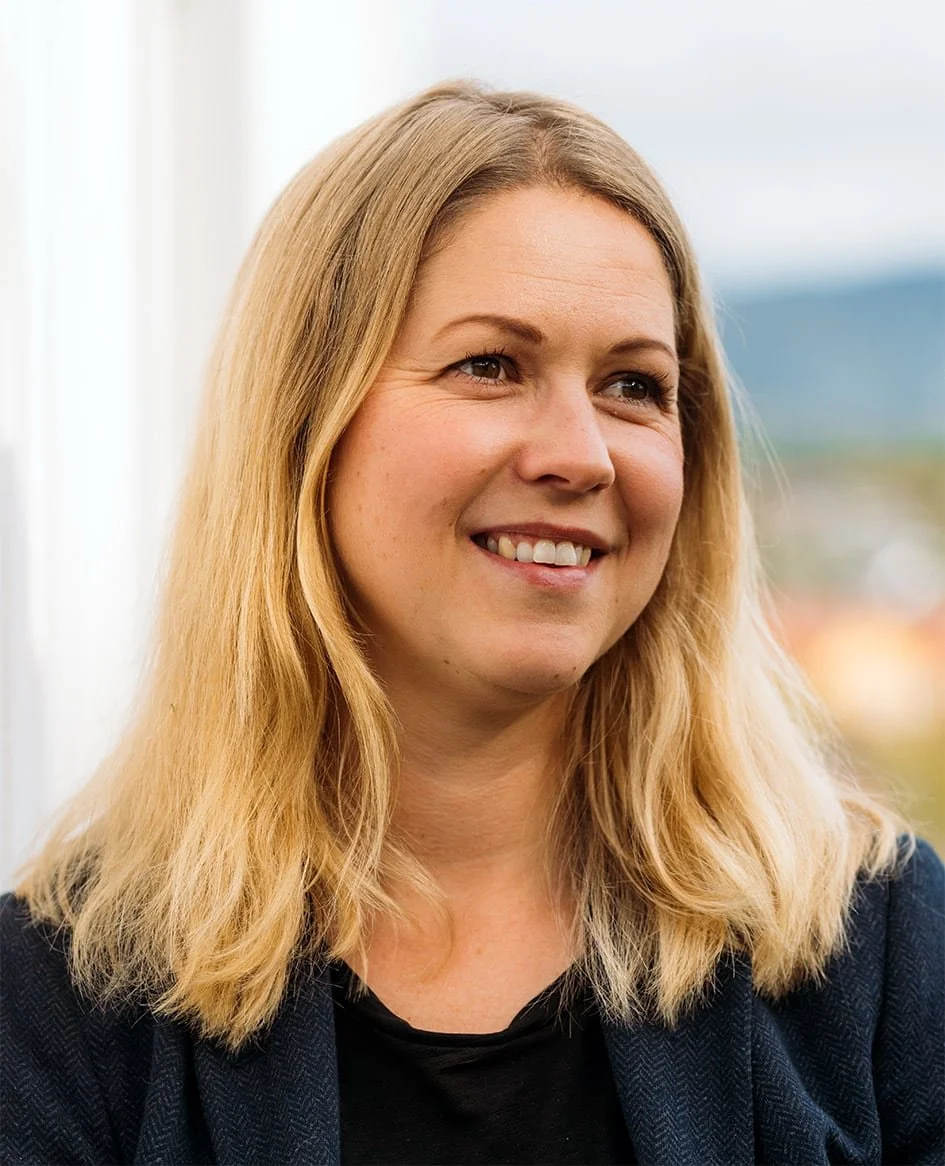
Led the project
Hanna Storm at Telemarksforsking has led the project on school closures.
A new reality for the school structure
Over 900 primary schools have been closed in the last 20 years, especially in rural areas. But the picture is changing.
In many of the least central municipalities, there is now only one municipal school remaining.
– In such cases, it is no longer about closing one of several schools, but how to ensure a good school offer and a viable local community in the future, says Storm.
At the same time, the researchers point out that the pressure for restructuring is increasingly shifting to more central municipalities, where structural changes may become part of the discussion about resource use and capacity going forward.
Not just negative
Although the conflicts can be deep, the report also shows that the outcome is often not as dramatic as many fear.
– For some local communities, the closure has led to the village coming together and creating more unity, says Storm.
How it goes depends largely on how the process is handled, and how the local community itself responds to the challenges.
Seven recommendations for good processes
But there are measures that municipalities can take to facilitate the best possible processes. In the report, the researchers have, based on analyses and findings from the case studies, identified seven recommendations that can help municipalities facing structural changes achieve good processes.
The advice is:
1. Early and clear understanding of the problem
2. Real and early participation
3. Systematic and verifiable assessment of the best interests of the child
4. Comprehensive assessment of impacts on local communities
5. Realistic assessment of financial gains
6. Planning of transition measures and mitigation measures
7. Long-term and comprehensive planning of school structure.
In the media:
Education News: These are the consequences of school closures
NRK Nordland: Project manager on the morning broadcast for NRK Nordland.