
Will research increased pressure for the extraction of critical minerals
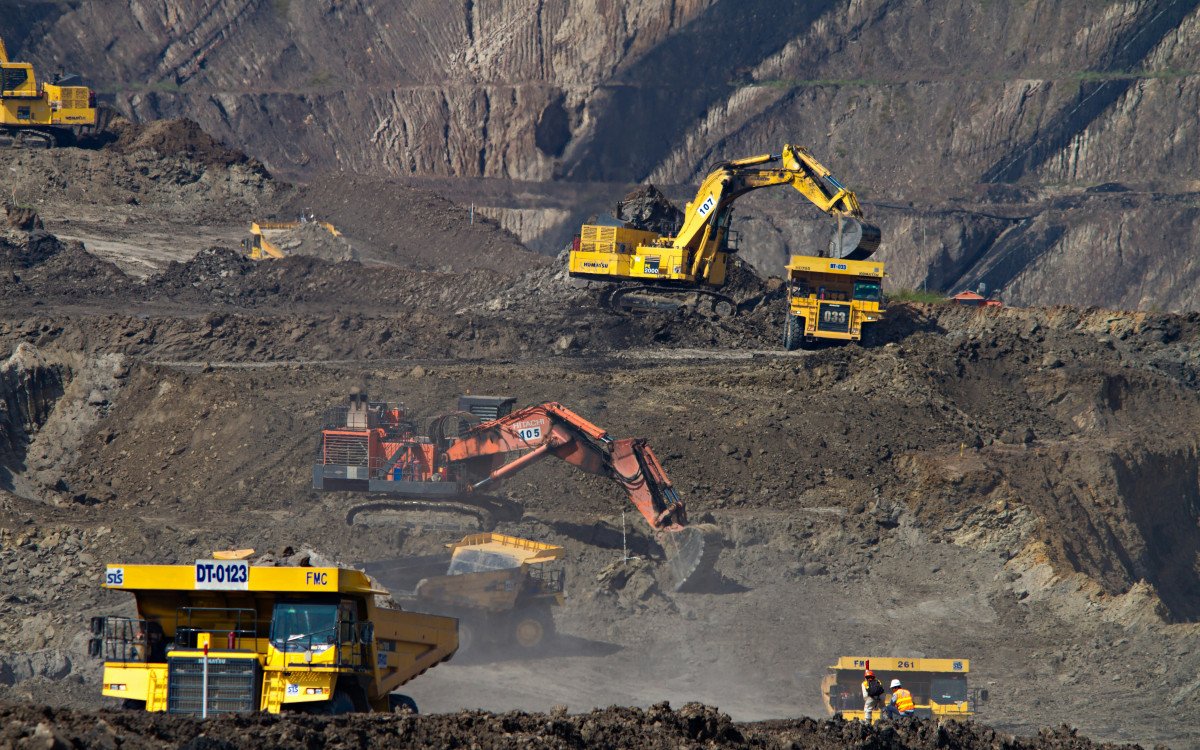
Extracting minerals in Norway can form the basis for value creation and strengthen security of supply, but can also result in extensive land encroachment, weakened local democracy and violations of indigenous rights. Illustration photo: Dominik Vanyi / Unsplash
-
Anna G. Sveinsdottir
RESEARCHER II, ASSISTANT POSITIONBrigt Dale
RESEARCH DIRECTOR / RESEARCHER I
Norway has vast mineral resources and the pressure to extract them is increasing. But what does the rush do to affected communities and natural areas? A new project led by Nordland Research Institute will investigate the matter.
Several different factors make the need for mineral extraction in Norway urgent. Minerals are important for the green transition, and they are necessary for, among other things, wind turbines and batteries for electric cars.
– In addition, the geopolitical situation makes the EU want to become more self-sufficient in critical minerals, says Anna Sveinsdóttir, senior researcher at Nordland Research Institute and Ruralis, and central to the UrgentMine project, which recently received 10.5 million in support from the Research Council of Norway.
The project will develop new knowledge about how increasing pressure for mineral extraction affects local communities, governance, justice and sustainability.
– Establishing new mines is traditionally a very time-consuming process, which can take 10 to 15 years, says Sveinsdóttir.
– What happens when the process has to happen much faster?
Can have negative consequences
Both the EU and Norway have recently come up with new mineral strategies, which say much the same thing. The purpose is to meet the need for critical minerals, without being dependent on actors outside Europe.
“This requires that the extraction of minerals both accelerates and intensifies. We need more of everything, faster,” says Sveinsdóttir.
– Both experience and previous research show that this type of rush can have negative consequences, she says.
Sveinsdóttir points out that urgency can compromise important components of equitable and sustainable industrial development, such as early and meaningful community involvement and thorough impact assessments. UrgentMine will therefore examine how urgency affects governance and planning, how different forms of knowledge are included or excluded, and how extraction affects local communities, the economy and the environment.
– The question is whether urgency can be reconciled with environmental, economic and social sustainability and justice, she says.
From Rogaland to Finnmark
Extracting minerals in Norway can form the basis for value creation and strengthen security of supply, but can also result in extensive land encroachment, weakened local democracy and violations of indigenous rights.
UrgentMine is based on three different Norwegian mining projects: the Fens field in Telemark, Nussir in Finnmark and Helleland in Rogaland. These projects face potential challenges such as nature loss, challenges to indigenous rights and conflicts with agriculture.
The researchers will try to prevent the negative consequences from occurring.
– We will develop a knowledge base that can contribute to more sustainable and fair mineral extraction and reduce conflicts, says Sveinsdóttir.
Asks critical questions
But UrgentMine will also question the very premises that make mineral extraction so high on the national agenda.
– Not everyone agrees that the need to grow is worth the degradation of nature that mining entails, says Sveinsdóttir.
– We will raise the conversation about what is important to prioritize and ask critical questions about why it is so urgent to extract minerals.
UrgentMine stands for "Urgency and pressures in critical mineral extraction – Potentials and pitfalls for just mining in Norway". The project started this month and will run until the end of 2028. Partners from Norway, Denmark and Sweden are on the team, in the form of Ruralis, the University of Agder, Aalborg University and Luleå University of Technology.
UrgentMine also collaborates with Bellona, Natural Resource Municipalities, the Norwegian Mining Industry and the Norwegian Workers' Union.
