
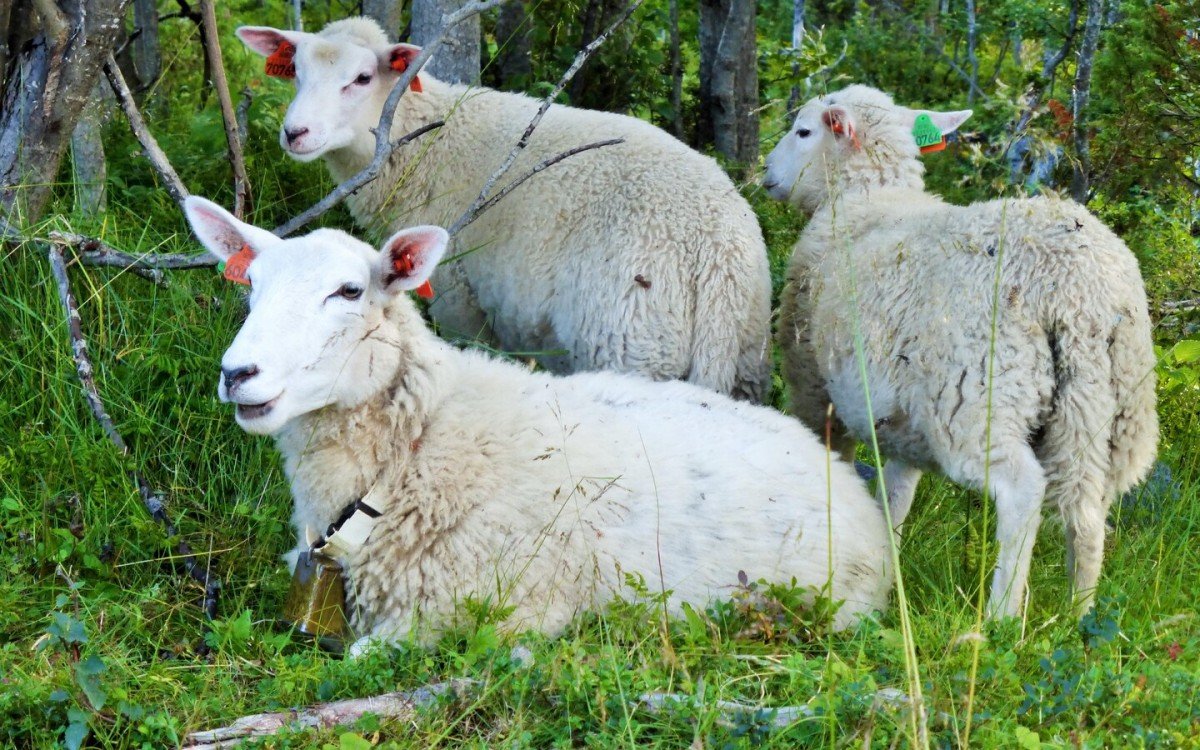
Lamb from the lyngen is a success story in northern Norwegian local cuisine. Photo: Verena Sitzinger / visit-lyngenfjorden.com
A new project enables northern Norwegian municipalities to purchase locally produced food to a much greater extent than before.
The period since the turn of the millennium has been tough for agriculture in Northern Norway. According to figures from Statistics Norway, 54 percent of farms have closed down and the area used for growing field and horticultural crops has been reduced by 69 percent. The ability to self-sufficiency is declining and this unfortunate trend seems to continue.
– Reversing the negative trend requires new thinking about the conditions for food production, perhaps especially in the north, says senior researcher Bjørn Vidar Vangelsten at Nordland Research Institute He has also previously conducted research on sustainable food systems and local food, and leads the new project "KJØPLOKAL Northern Norway".
– The goal is to help municipalities in Northern Norway use their purchasing power to purchase Norwegian and locally produced food for kindergartens, schools and nursing homes, says Vangelsten.
Lack of sales opportunities
The fact that agriculture in northern Norway is struggling is not due to a lack of natural resources or will among farmers. Many places in the north have favorable conditions for both animal husbandry and the cultivation of food crops. Many producers state that they want to expand and there are also several new players who want to start up.
One of the problems food producers face is simply getting their products sold.
– Over time, the infrastructure for processing and selling food has become centralized, especially for fruit, vegetables and potatoes. Selling directly to consumers works well for some, but does not generate enough revenue to maintain viable food production in the region. Getting into the large retail chains can be challenging, says Vangelsten.
But what if the municipalities were customers?
Gathering expertise
Many municipalities want to buy local food, but face a number of obstacles, including:
Too high costs
Sales channels are unclear or non-existent
Procurement regulations are too complicated
This is where the project comes in. Through a collaboration between municipalities, Researchers , lawyers and local food producers, municipalities will be able to overcome the obstacles and buy more locally produced food.
– This is in line with political objectives, and is anchored, among other things, in the government's strategy for the food nation of Norway, says Vangelsten.
Co-production of solutions
So how do you go about uniting municipalities and local food in practice? The researchers begin by mapping purchasing practices in Norwegian municipalities and counties, as well as the scope for action in the purchasing regulations and how it is utilized in different municipalities.
The knowledge will then be transferred to five pilot municipalities: Beiarn, Steigen, Balsfjord, Kvæfjord and Træna.
– The goal is to help utilize the room for maneuver in the new procurement rules to increase purchases of locally produced food in the pilot municipalities, for example for schools, kindergartens and nursing homes, says Vangelsten.
– We will establish a regional dialogue network consisting of representatives from the pilot municipalities, municipal businesses, local food actors and legal expertise. The goal is to find solutions together that facilitate the pilot municipalities to implement purchasing processes that promote local food production and processing.
The trend may reverse
Vangelsten believes that KJØPLOKAL Nord-Norge can build important knowledge to help reverse the negative trends in northern Norwegian agriculture.
– By showing municipalities how they can utilize the scope for action in the procurement regulations to support local food production, the project can help facilitate the growth and re-establishment of food production and accompanying infrastructure in Northern Norway, he says.
– This is how the project can help strengthen food security in Northern Norway.
