
Research is also a craft: – The main mission of using methods is to get things done
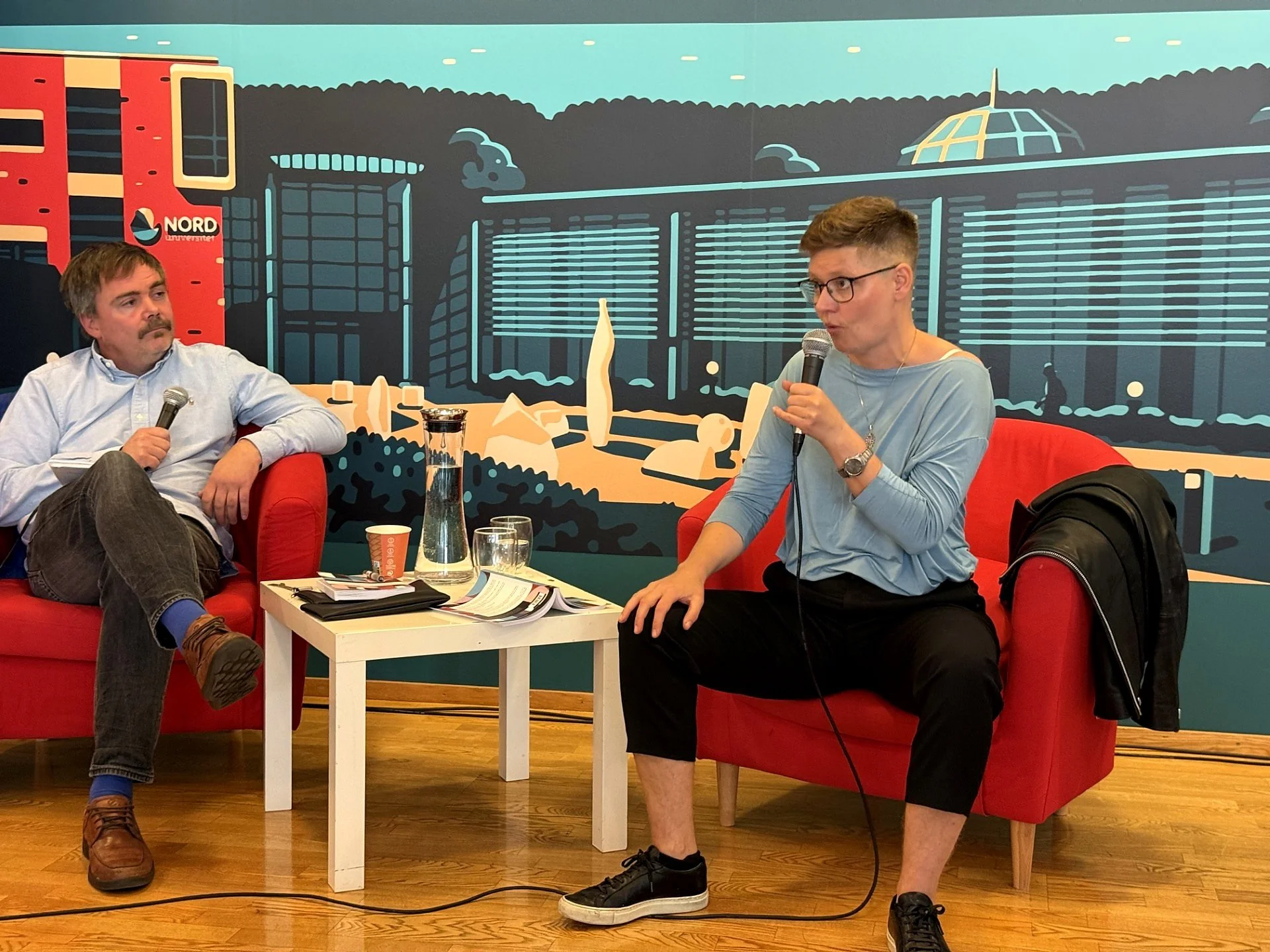
Dedicated. Helga Eggebø has published a book about her method for converting data material into finished research. Eggebø is a committed research communicator, and according to colleague and book lover Stian Bragtvedt, she has created a well-written and engaging book about method. Photo: Tarjei Abelsen
How do you go from a confusing data set to new knowledge? According to Helga Eggebø, it's less about finding the perfect recipe, and more about having a method that makes it possible to actually start working.
Text: Tarjei Abelsen
– If you don't have time to create an outline and work plan, you might as well save yourself all the work. Shit. Then all the other work will feel pointless because it's not clear what the next step is.
That was one of the more blunt pieces of advice from Helga Eggebø, senior researcher at Nordland Research Institute , when she was recently book-bashed by Stian Bragtvedt about his new book Collective qualitative analysis .
– My main mission in using the method is to get things done, she says.
When Researchers When faced with large amounts of interviews, notes or other qualitative material, there is rarely a simple recipe for how to conduct the analysis. Different types of data require different approaches.
Therefore, Eggebø spends a lot of space showing how methods can be adapted to different types of material.
– The goal is for you to be able to improvise it to use in your situation and your data.
From chaos to analysis
It is a situation many Researchers know: You are sitting with an enormous amount of data and wondering how to get something meaningful out of it.
– I have sat with data material many times and wondered how we are going to nail this down.
Then the method becomes a point of reference. Not because it provides a ready-made answer, but because it provides a process to trust, says Eggebø.
And the process doesn't necessarily have to take place in front of a computer.
“When I get stuck in Word, I move to the whiteboard. Writing with a pencil, reading aloud, or moving work from the screen to a whiteboard can be just as useful as digital tools. And switching technologies can provide new ways of understanding,” she says.
It's about trying, getting corrected, and trying again.
Eggebø also recognizes this from woodworking, which she learned through a lot of time with her grandfather.
– I would say that I am a craftsman. I like to try, get corrections and try again. I think it's nice with such methods too.
Method is more than a digital tool
Artificial intelligence is the latest new tool in research work. However, Eggebø believes it is important not to confuse tools with analysis.
There are qualitative processes that can give the impression that you can simply feed in material and get a ready-made answer back.
That may work in some contexts. But for Eggebø, analysis work is more than just processing data.
- It is people who interpret the material.
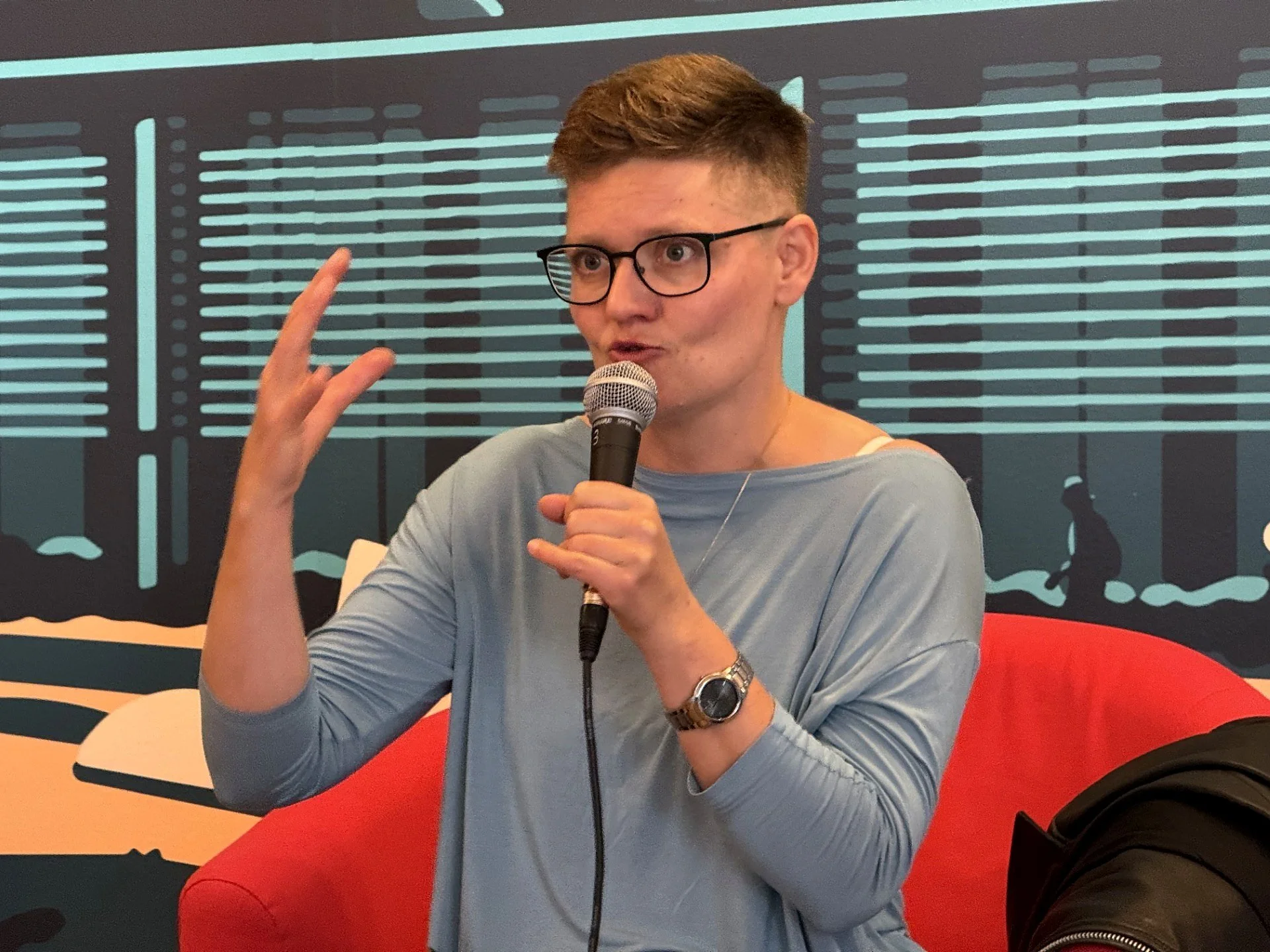
Understandable. When you have reached the end of the method, Eggebø is passionate about clear and precise language that can be understood by a wider audience. Photo: Tarjei Abelsen
Knowledge is created by people
The book is rooted in feminist scientific theory, and a central point is precisely that knowledge always comes into being in concrete situations.
When several people gather with paper and pen to analyze a material, it's not just the data that speaks. The researchers interpret.
– When a colleague reads what you have written, they see something different than what you would have written yourself.
This does not mean that the analysis becomes less scientific. On the contrary, highlighting and working with these differences is part of the method.
For Eggebø, good research is also about being able to communicate what you find.
– I think it is very important to find an academic language that makes it possible for people to understand what we are trying to convey.
Precise, but understandable. Because if the knowledge can only be read by those who already know the academic language, what's the point, asks Eggebø.
During the book bath at Nordland Research Institute There was talk about boards, pencils, AI, crafts and analysis.
But perhaps first of all about something quite basic:
For Eggebø, method is about making it possible to get from complicated material to knowledge that can actually be understood and used.