
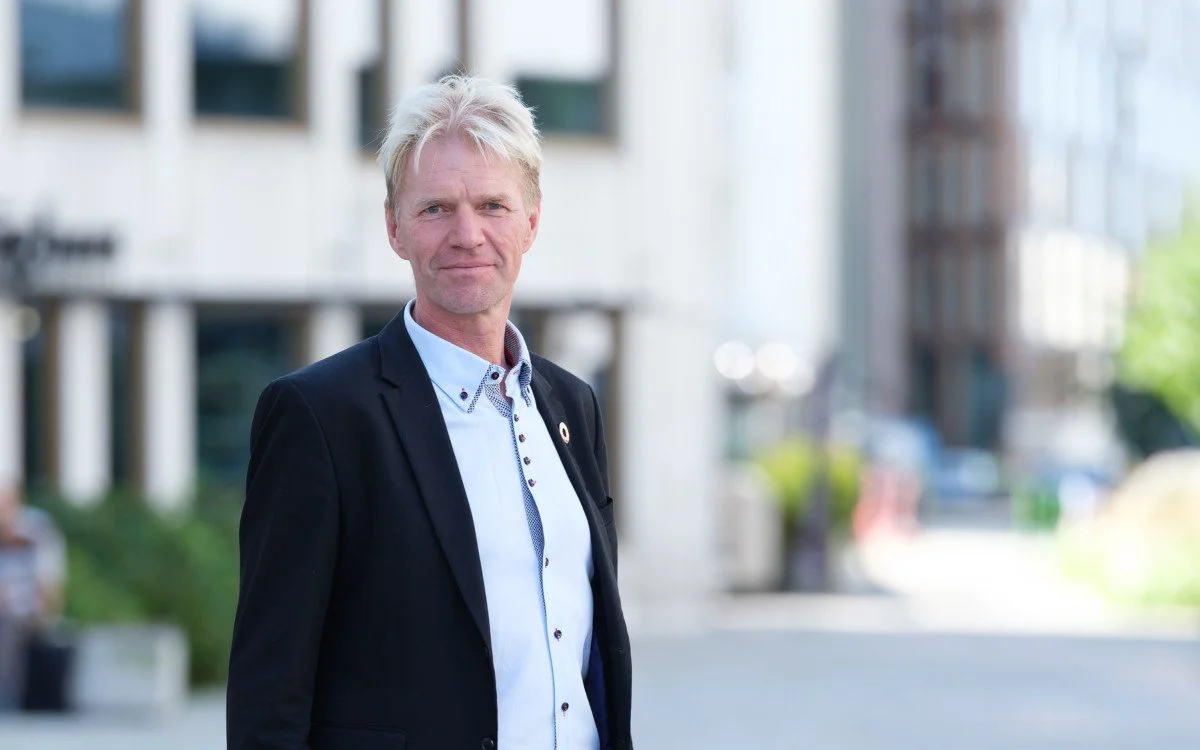
Håvard Moe, KS Consultant. Photo: Andreas Winter
– The municipal directors in Norway want to close schools. It's not because they think children are disgusting, but because there is no need for so many schools, says Håvard Moe, senior advisor at KS Konsulent.
A count from NRK shows that the municipal directors proposed closing 80 schools in 2024. The politicians agreed to 20 of these. In Bodø, no schools were closed, after parental actions gave elected officials cold feet.
Thursday, February 27th, it's ready again for Lytring in Stormen library, with Nordlandsforskning's Ragnhild Holmen Waldahl among others on the debate panel. The discussion will be about why it is so difficult for politicians to take action, even though the circumstances require it. Håvard Moe, known as a particularly skilled mediator, will give a 20-minute lecture ahead of the debate. He will bring unambiguous statistics to Bodø.
More older people and fewer younger people
– The problem is not that there are more elderly people and fewer young people, the problem is that there are extremely many more elderly people and many fewer young people, says Moe, who has traveled around Norway for a number of years and helped municipalities with financial challenges.
– Bodø is above the average for Nordland when it comes to this type of demographic challenge and is heading towards a huge shortage of labor and expertise.
Health and care, and schools, make up large parts of a municipal budget. When children disappear, the money must be moved from the young to the elderly. This move is deeply rooted in the minds of politicians across the country.
– Lack of local political adaptability is a major challenge for municipalities in Norway, says Moe.
Challenging balancing act
Ragnhild Holmen Waldahl, research manager at Nordland Research Institute , will also participate in the debate on February 27. She says that Norwegian municipal politicians do not have a tradition of making unpopular choices.
– The economic realities require a new way of managing, but there are few established strategies or practices for prioritizing hard, says Waldahl.
“Politicians are up for election and that affects the decisions they make. When popularity trumps necessary priorities, the ability to make responsible decisions for the future is weakened,” she says.
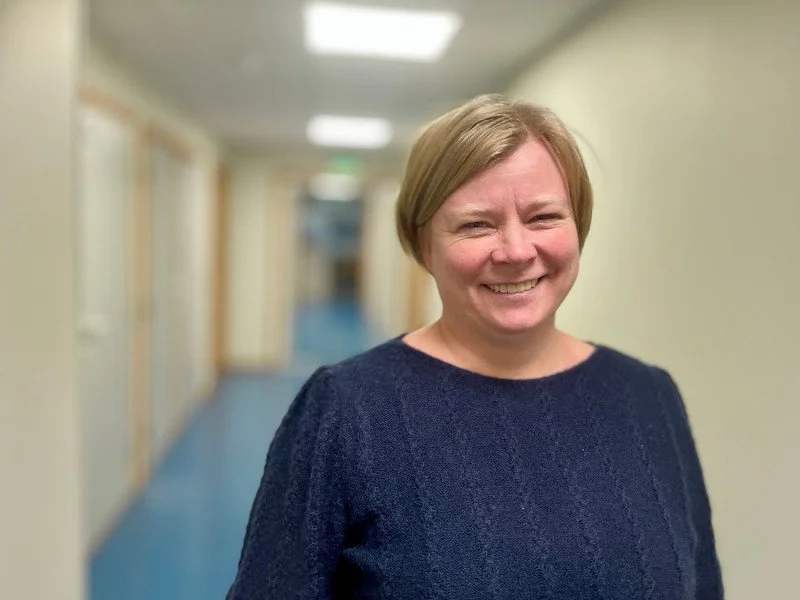
Ragnhild Holmen Waldahl, research manager for the welfare group at Nordland Research Institute Photo: Thoralf Fagertun
The research leader understands both politicians and those who protest against cuts that affect their interests, but points out that unpopular decisions are actually necessary to ensure sustainable social development.
"The problem arises when the fear of protests paralyzes decision-making processes. Democracy requires a balance between listening to citizens and taking responsibility for the whole," says Waldahl.
Close down two schools
But not all politicians are swayed by torchlight processions and slogans on car windows. Innlandet is the first county in Norway with more residents over 65 than under 20. In 2024, the county council decided to close two schools and four school sites, which triggered violent reactions and protests.
The county council, with county deputy mayor Hanne Alstrup Velure in a central role, did not heed the protests and implemented the unpopular decision.
"We have done a job to meet the challenges of today and the future - for the benefit of students, teachers and businesses in the regions. Crisis maximization and a war atmosphere are really not the way to go if we are to teach future generations how to adapt," wrote Alstrup Velure in a column published in Nationen last fall.
Hanne Alstrup Velure will also be there Lytring in Bodø. So does Odd Emil Ingebrigtsen, mayor of Bodø, who thus took the opposite position of the Innlandet County Municipality in its school case. Stein Sneve from Avisa Nordland is the debate leader.
