
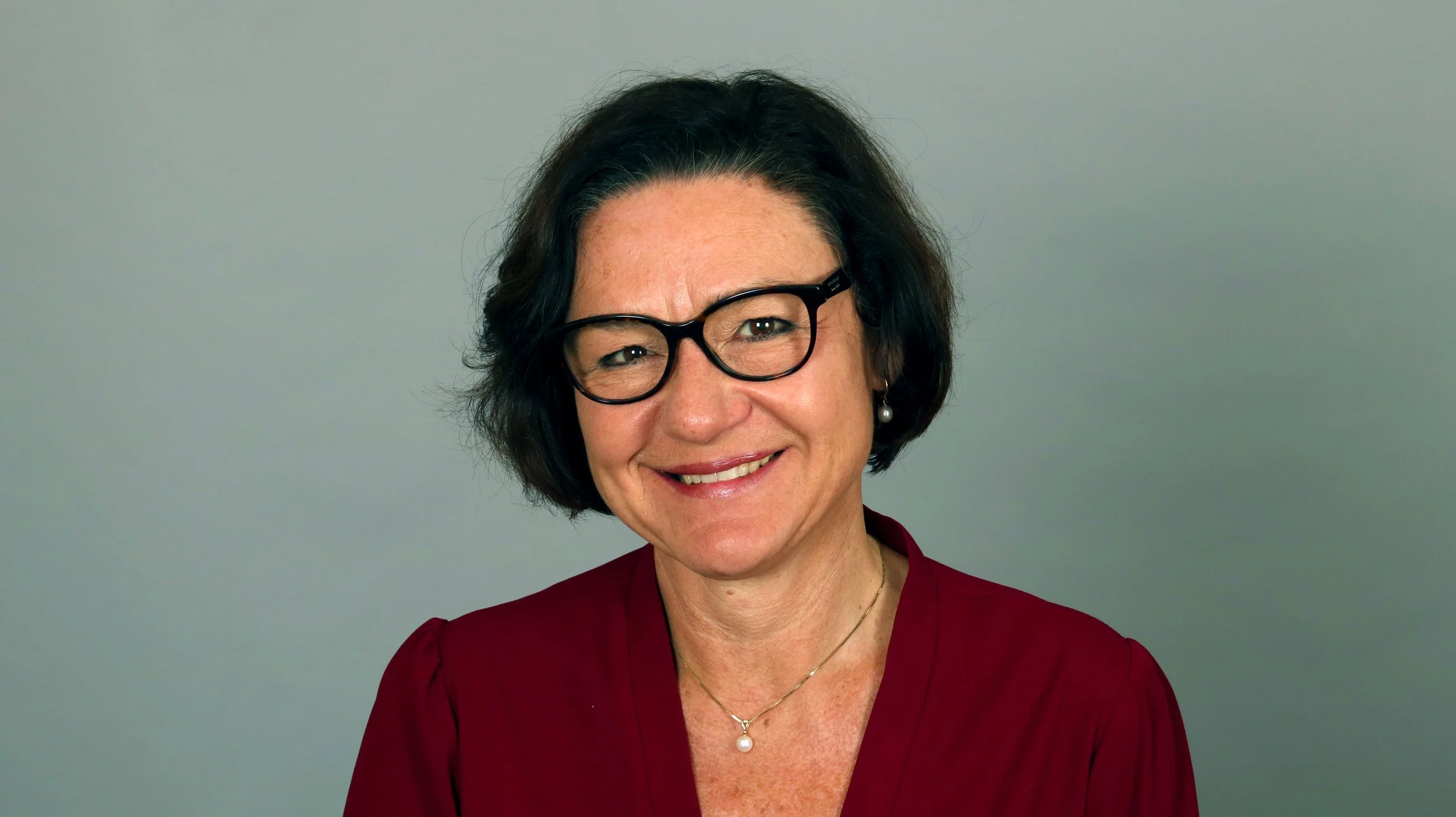
Under pressure. Elisabetta Cassina Wolff believes we need new concepts to understand the threats to democracy today. – Liberal democracy is in crisis and in retreat in several places in the world, she says. Photo: Ellen Evju Jahr/UiO
Real social problems provide fertile ground for discontent, but today's authoritarian development cannot simply be understood as a return of fascism. The pressure on liberal democracy comes from more sides than before, believes Elisabetta Cassina Wolff.
– We are seeing an attack on liberal democracy from right-wing radicalism and left-wing radicalism, and it is coming from Islamists.
Elisabetta Cassina Wolff, a researcher at the University of Oslo, believes we must look beyond fascism to understand the authoritarian tendencies of our time. Today's situation differs significantly from the interwar period, and the pressure on democracy comes from several directions.
– Liberal democracy is in crisis and in retreat in several places around the world.
Real problems give the fringes leeway
Wolff believes authoritarian and anti-system movements exploit crises and fears to gain support. This could be economic uncertainty, war or immigration.
– When there is a perception of crisis, it is very easy for parties critical of the system to gain ground. It does not matter whether the crisis is real or not, as long as it is felt by many.
But she also emphasizes that there are real challenges, including failed integration and radicalization of second- and third-generation immigrants, that must be taken seriously.
At the same time, opposition to liberal democracy is not limited to the right. Wolff highlights radicalization on the left, Islamism, and Russia's attempts to weaken Western democracies through propaganda and influence on social media.
– We are in the midst of a hybrid war from Russia and its allies. There is massive propaganda through social media, which is aimed at weakening our liberal and democratic institutions.
Not fascism, but autocracy
Wolff is reluctant to describe developments in the United States as fascism. She believes that there are fascist features, but that historical fascism was something different, including its corporatist ideology. In today's United States, she nevertheless sees a concentration of power and a dangerous mix of political power and economic interests.
– Instead of fascism, we can use the more general term autocracy. It is about power being concentrated in one leader, while democratic counter-powers are weakened.
Wolff points to attacks on the courts, pressure on free speech, and increasing concentration of power in the United States. She also believes that very wealthy actors have gained a worrying influence.
At the same time, she warns against giving up on liberal values. The challenge is to understand the new threats without believing that history will necessarily repeat itself.
– There is no reason to stop being liberals and democrats. We must fight for the values we believe in.
What threatens democracy today, and how can it be defended when authoritarian forces prevail? That is the starting point when Lytring invites you to a debate with Elisabetta Cassina Wolff, Tanja Ellingsen, researcher at Nord University, and Sebastian Klein, head of teaching at the Falstad Center. Anki Gerhardsen, editor-in-chief of Lytring , leads the conversation.
Time and place: Thursday, November 5, 7:00–8:30 PM at Røstad Scene in Levanger. The debate will also be streamed on YouTube.