
– The biggest threat to our democracy is organized crime

A threat. Author Malin Stensønes believes organized crime is the biggest threat to Norwegian society. Photo: Aschehoug
Terrorism and extreme violence have become a commodity that organized criminals sell to anyone who will pay, whether it be state actors, jihadists or the far right.
– The greatest threat to our democracy is organized crime. These actors are strangling democracy, undermining the legal system and destroying trust in society, says author Malin Stensønes.
On Tuesday, April 21, she is one of the participants when Lytring invites you to a debate in Stormen Library about what drives extremism in Norway today. Lytring also asks whether the old political categories are still the most relevant for understanding developments.
New type of threat
– There is a strong connection between criminal networks and terror. The networks have an extreme capacity for violence, and violence has become a commodity, says Stensønes.
Thus, they have become the central threat. They carry out the violence on behalf of everyone who pays.
– They sell their services to state actors like Iran, to jihadists and to the far right. They don't care who the client is.
She believes that it has become easier to carry out violent acts when the actors behind them are no longer dependent on radicalizing their own followers.
– It becomes easier for the client to carry out attacks when they can buy violence from environments that already have the capacity.
According to Stensønes, the networks also cynically recruit children to commit serious violence and murder. In Sweden, the scale has become so large that children between the ages of 7 and 12 have become a separate category in the statistics of perpetrators of violence. Swedish criminal networks already operate in Norway. Among them is the Foxtrot network, which has been linked to acts of violence and assassinations carried out on behalf of Iran.
– We as a society are not equipped to handle the threat landscape we now face. We are sector-based, while criminals are transnational, moving seamlessly between different countries and are extremely adaptable and borderless.
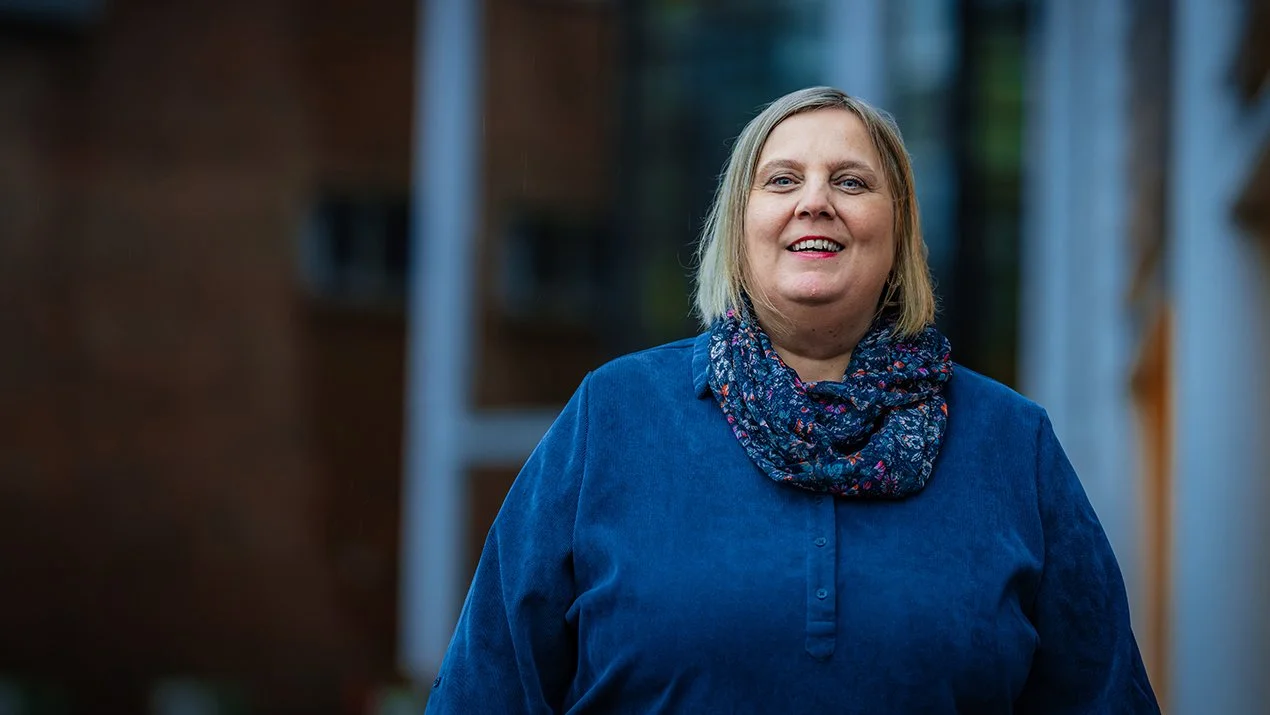
More common. Extreme opinions have become more common, says Tanja Ellingsen at Nord University.
Less distinction between terror and crime
Tanja Ellingsen at Nord University shares Stensønes's observations that organized criminal networks represent a major change in the threat landscape in Norway.
– The big distinction between terror and other crime is no longer there. We are talking about smooth transitions, says Ellingsen.
She nevertheless believes that it is still relevant to distinguish between different forms of extremism.
– There is no doubt that extreme Islamism remains the most dangerous movement, both globally and in Europe.
Extreme ideas are becoming more common
According to Ellingsen, resistance to democracy is a common feature across several extreme directions. She also points out that ideas that were previously perceived as extreme have become more common.
– Ideas that were previously considered extreme are gaining more acceptance, says Ellingsen.
In addition to Stensønes and Ellingsen, Caroline Iwarsson from the Police Security Service, as well as Frøy Gudbrandsen, political editor at VG, will participate.
The debate is led by Anki Gerhardsen, editor-in-chief of Lytring , and will take place in Stormen Library on Tuesday, April 21st at 6:00 PM.