
Liz's tidal research has reached 287 million people
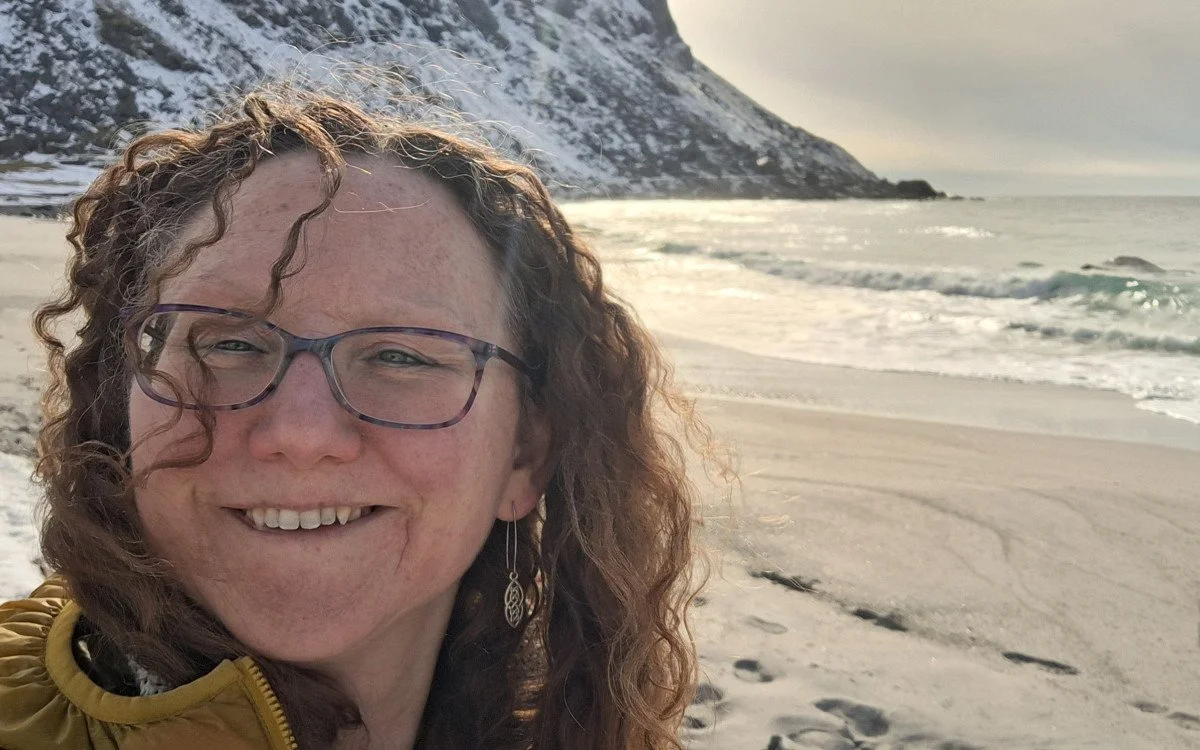
Nordlandsforskning's Liz Morris-Webb researches the sea. Photo: Private
It doesn't happen very often in the research world, but the article by Nordland Research's Liz Morris-Webb has gone viral.
Morris-Webb works on marine research from the Rana office to Nordland Research Institute In April, she wrote a scientific paper on tides, which found that a quarter of the population in Britain and Ireland do not understand a standard tide table, and that about 10 million people had experienced being caught or nearly caught by the tide.
Such a startling lack of basic and vital knowledge did not go unnoticed in the British and Irish media.
Bangor University in Wales, where Morris-Webb is an honorary researcher, issued a press release about the matter together with the RNLI (Royal National Lifeboat Institution), an organization that works to save lives at sea.
Then it took off.
Went viral
“In the UK, tides can rise up to 10 metres, and shortly after our paper was published, a major flood coincided with the Easter holidays, making our research headline-grabbing,” says Morris-Webb.
– Everyone wrote about the case, which appeared in everything from national news on TV to small articles in local newspapers, she says.
The major media houses BBC and ITV ensured that the research into the recent robbery reached millions of viewers, listeners and readers. In particular, coverage in BBC World News did the trick.
– Figures from media analysis agency Vuelio show that potentially 287 million people have seen the case, the RNLI press office reports.
Vuelio uses the term OTS, which stands for "Opportunities To See" and estimates how many times the public has been exposed to media coverage of an issue.
Also current in Norway
Liz Morris-Webb thinks it's cool that a scientific article is getting so much attention in society. Here in Norway, too, knowledge about the use of the ocean is vital, and through the organization Flyte, among other things, drowning prevention work is being put on the agenda throughout the country.
– I find it very exciting how research like this can help improve safety messages and save lives in Norway as well, says Morris-Webb.
“Although we have less difference between high and low tide than the UK, we have the second largest coastline in the world, and this can pose many types of risks if people do not have the necessary knowledge,” she says.
